


Coat of Arms vs. Family Crest: Understanding Heraldry Terminology and Key Differences
The coat of arms and family crest are terms often used interchangeably, but they signify distinct elements of heraldry. A coat of arms is a heraldic symbol unique to an individual or family, representing their lineage and history. Understanding these distinctions is crucial for genealogy enthusiasts and those interested in their heritage. This article explores the two concepts, detailing their definitions, historical significance, and key differences, while also discussing common heraldic symbols and their meanings. By the end, readers will gain a clearer insight into the world of heraldry and its importance in defining personal and family identities.
Coat of Arms vs. Family Crest
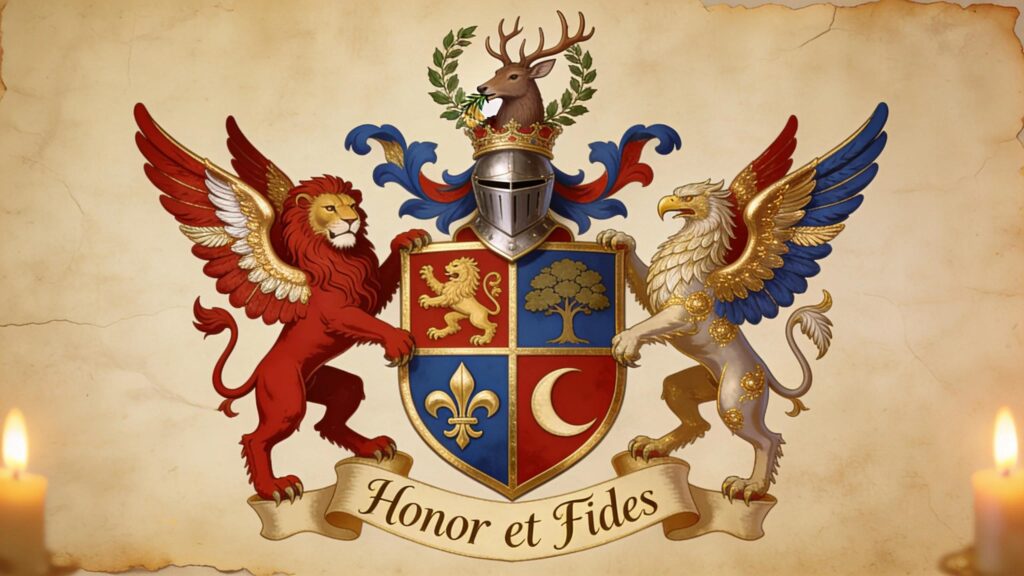
A coat of arms is a unique heraldic design on an escutcheon or shield that represents an individual or family. In contrast, a family crest represents a specific familial line, often depicted above the shield in heraldic art. The distinction can be subtle, but it is significant in understanding heraldic traditions. Many people mistakenly use these terms interchangeably, leading to confusion regarding their respective meanings and purposes.
Definitions:
A coat of arms serves as a comprehensive representation of an individual or family’s identity. It often reflects personal achievements, values, or historical significance through its design. Conversely, a family crest is part of the coat of arms, typically showcasing an emblem associated with a specific lineage. In contemporary language, these terms have become blurred, resulting in misconceptions about their individual meanings.
Historical Significance:
Heraldry has deep historical roots, tracing back to the 12th century when knights displayed their coats of arms on their shields during battles to identify themselves. This practice of using unique designs evolved into a non-verbal system of communication that conveyed family lineage, status, and honor. Understanding the evolution of these symbols provides insight into their importance within society, particularly in defining identity and recognition.
Key Differences in Heraldry Terminology:
The primary differences between a coat of arms and a family crest revolve around their components and purposes. A coat of arms encompasses all heraldic elements, including the shield, supporters, motto, and crest, while the family crest strictly refers to the design element displayed above the shield. Moreover, coats of arms can be inherited or granted, with specific rules governing their use, while family crests are often personalized and may differ among each descendant.
What is a Coat of Arms? Origins, Elements, and Symbolism Explained
A coat of arms represents a unique identity, typically bestowed upon an individual or family through official heraldic authority. Its elements include the shield, supporters, and crest, each carrying its own significance. Understanding these components is vital to grasping the broader implications of heraldry and its role in identity representation.
How did the Coat of Arms develop historically?


The development of coats of arms can be traced back to the 12th century when knights began to use unique symbols on their shields for identification. The use of heraldry enhanced during tournaments and battles, as these symbols became crucial for both personal identification and family reputation. Over time, the practice evolved into a formal system governed by laws and regulations, establishing a rich tradition that persists to this day.
What are the main components and symbols of a Coat of Arms?
The primary components of a coat of arms include the shield, crest, and supporters. Each part has specific symbolic meanings:
- Shield: The central element showcasing the family’s colors and symbols, signifying values and heritage.
- Crest: Positioned above the shield, often representing a symbol of honor or achievement, it showcases the family’s unique identity.
- Supporters: Figures or animals on either side of the shield that typically represent traits of the family or lineage.
How Does a Family Crest Differ from a Coat of Arms? Definitions and Traditions
Understanding the traditional roles of family crests is essential. While both elements contribute to heritage, they fulfill different functions within the scope of heraldry. A family crest typically highlights individual family achievements and is a more personal representation than the broader coat of arms.
What defines a Family Crest in heraldic terms?
In heraldic terms, a family crest is a design that sits atop the coat of arms, symbolizing an individual’s personal achievements or characteristics. It functions to reflect familial pride and is often distinct from the shield’s design underneath. This distinction emphasizes individual identity while being rooted in the shared family heritage.
What distinct traditions separate Family Crests from Coats of Arms?
Crests tend to follow specific traditions that are culturally significant and vary from one family to another. They often emerge during significant moments, encapsulating the family’s history and values. The distinction lies in their usage; while a coat of arms is formally recorded and regulated, family crests can have personal interpretations passed down through generations.
What Are Common Heraldic Symbols and Their Meanings?

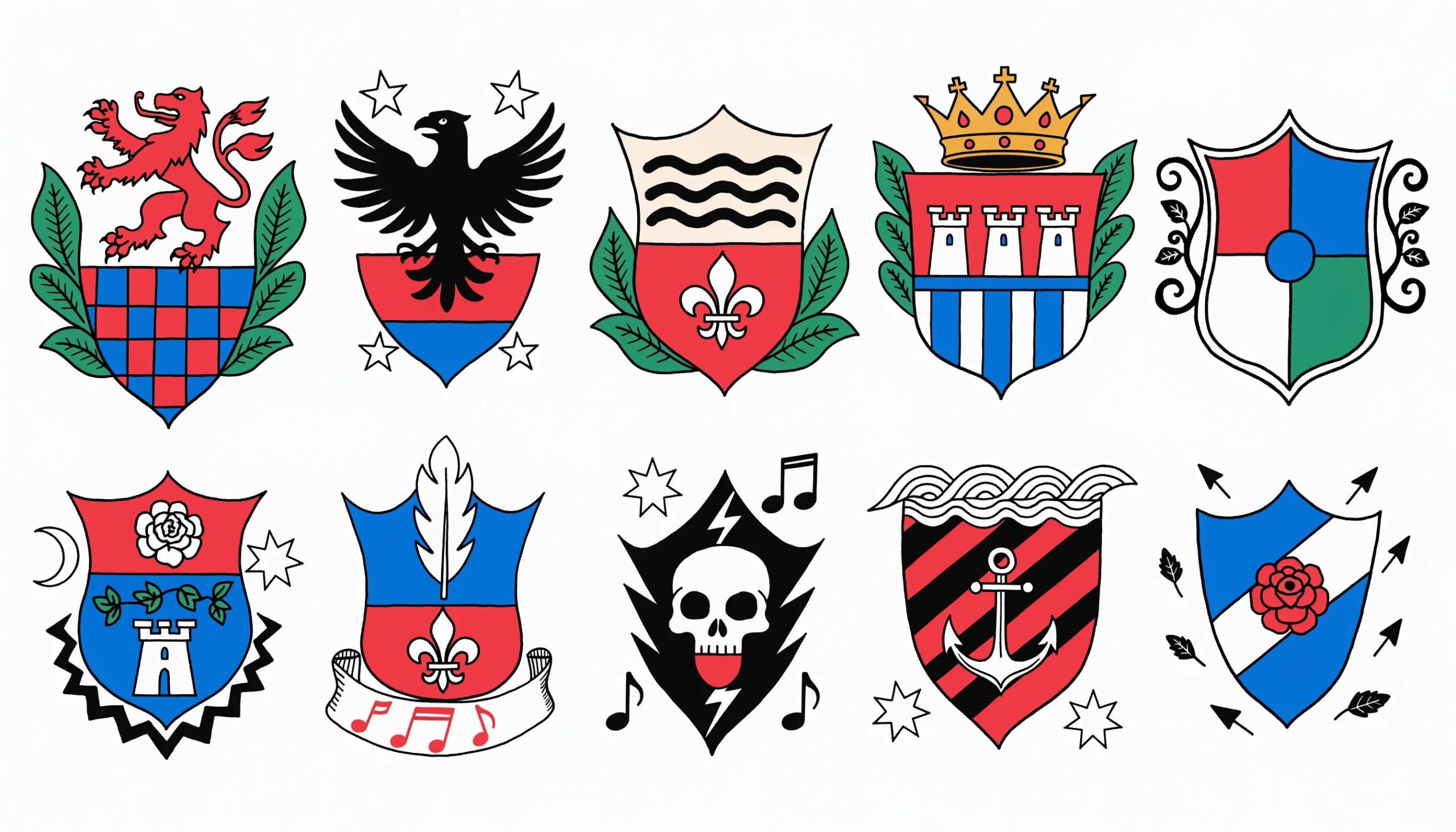
Heraldic symbols often convey significant meanings and retain cultural importance across different families. Understanding these symbols and their implications is essential for anyone delving into the intricacies of heraldry.
Which symbols frequently appear in Coats of Arms and what do they signify?
Common heraldic symbols include:
- Lion: Represents courage and nobility.
- Eagle: Symbolizes strength and power.
- Shield: Denotes protection and defense.
These symbols showcase values that families wish to uphold and represent through their heraldic designs.
How do Family Crests incorporate symbolic emblems differently?
Family crests incorporate symbols that express unique traits, achievements, or landmarks of individual families. Unlike coats of arms, which may adhere to strict heraldic codes, crests allow for more personalized elements that may vary widely among family members, creating a rich tapestry of individual histories connected by lineage.
What is the Difference Between an Emblem and a Heraldic Crest?
Differentiating between emblems and heraldic crests is pivotal for accurate understanding of their applications in heraldry.
How are emblems defined in heraldry compared to crests?
Emblems serve as distinct symbols used in various contexts, often representing groups, organizations, or philosophies. In heraldic terms, a crest is specifically linked to familial heritage and identity. Understanding how these terms differ clarifies their significance within the broader umbrella of heraldic studies.
Why understanding these terms matters for heritage and identity
Understanding the differences between coats of arms and family crests enables individuals to connect more deeply with their heritage. Recognizing these symbols allows for an appreciation of personal history and familial identity, fostering a sense of belonging and cultural pride. This awareness is instrumental in genealogy, aiding individuals in tracing their lineage effectively.