


Discover Comprehensive Civic Heraldry: Exploring Municipal Coats of Arms and City Heraldry Symbols
Civic heraldry serves as a vital link between communities and their historical identities, encapsulating the essence of local governance through symbols and emblems. This article delves into the intricate world of civic heraldry, exploring its significance, the evolution of municipal coats of arms, and the meanings behind various heraldic symbols. Readers will gain insights into how these symbols reflect cultural identities and the historical narratives of cities and towns. Understanding civic heraldry not only enriches our appreciation of local history but also enhances our connection to the communities we inhabit. We will cover the definition of civic heraldry, the origins of city symbols, and how to research and interpret local civic heraldry effectively.
What is Civic Heraldry and Why Does It Matter?
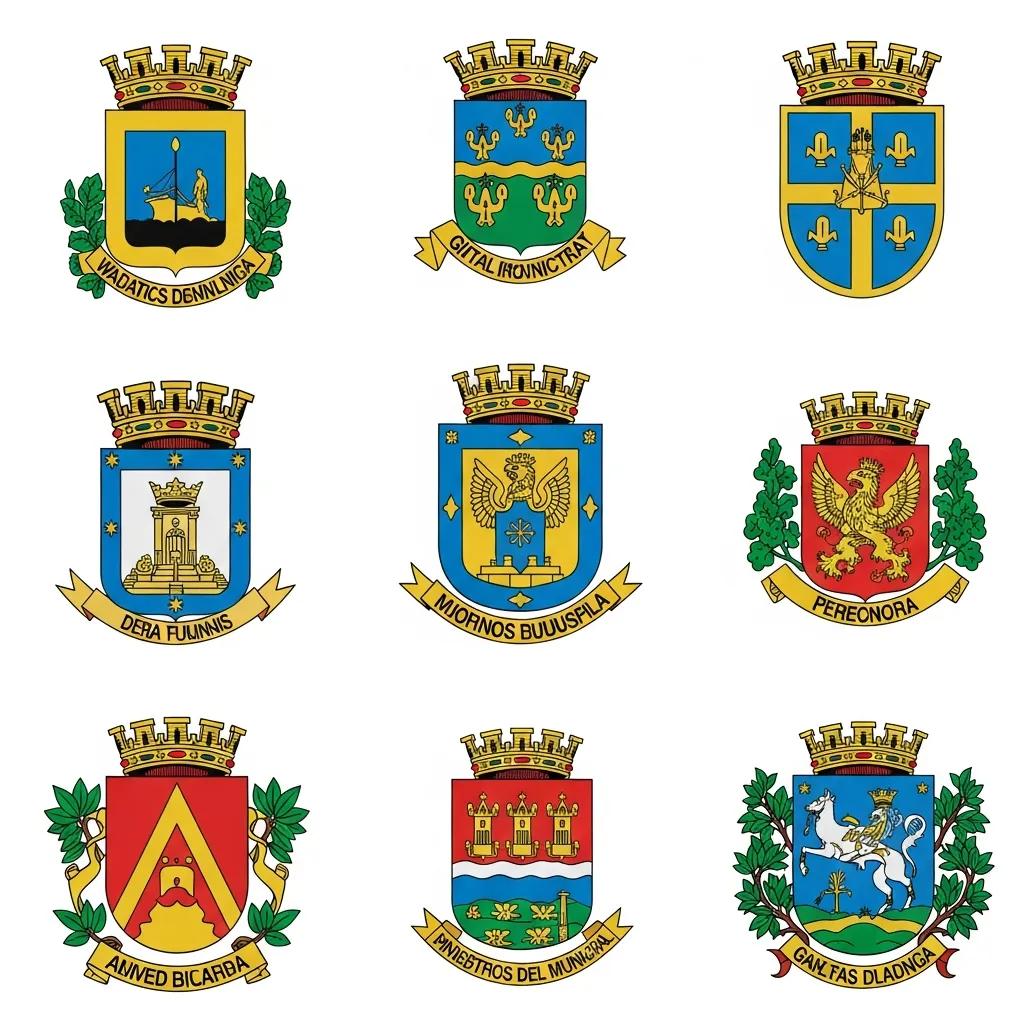
Civic heraldry refers to the use of symbols, such as coats of arms and emblems, that represent municipalities and local governments. These symbols serve as visual representations of a community’s identity, values, and history. The importance of civic heraldry lies in its ability to foster a sense of belonging and pride among residents, while also providing a historical context that connects citizens to their local heritage. By understanding civic heraldry, individuals can appreciate the stories and traditions that shape their communities.
Information Hub is a dedicated platform focused on providing comprehensive and accurate information about civic heraldry. Through its resources, individuals can explore the rich tapestry of municipal symbols and their meanings, enhancing their understanding of local governance and cultural identity.
Defining Municipal Coats of Arms and Local Government Emblems

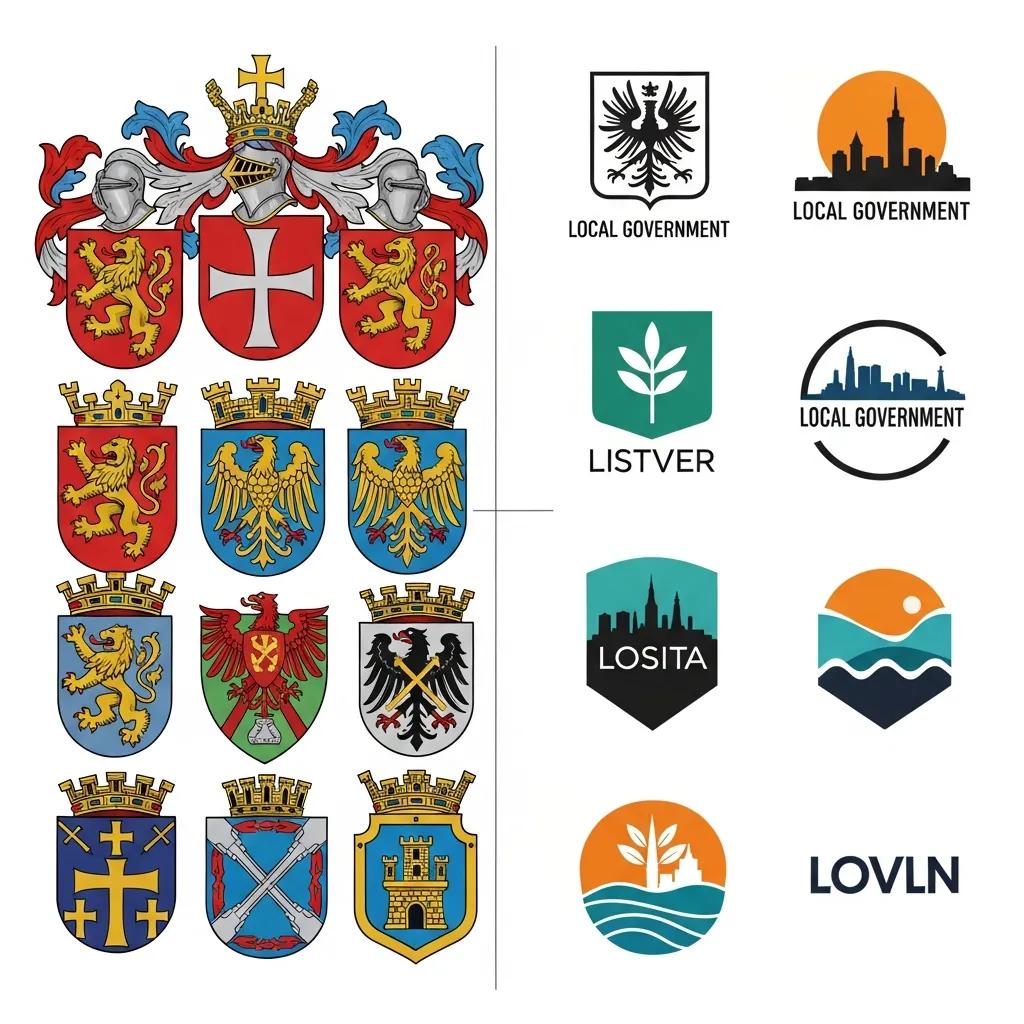
Municipal coats of arms are heraldic symbols that represent cities, towns, or regions, often featuring unique designs that reflect local history and culture. Local government emblems, on the other hand, may include logos or insignia used by municipal authorities to signify their identity and mission. While both serve to represent local governance, coats of arms typically adhere to traditional heraldic rules, whereas emblems may adopt more modern design elements.
The Role of Coats of Arms
Coats of arms often include elements such as shields, crests, and mottos, each carrying specific meanings that relate to the community’s values and history. For example, a shield may depict local wildlife or historical events, while a motto can encapsulate the community’s aspirations.
Differences Between Emblems and Coats of Arms
While coats of arms are steeped in tradition and follow specific heraldic guidelines, local government emblems can be more flexible in design. This distinction allows municipalities to adapt their symbols to contemporary branding needs while still honoring their historical roots.
How Civic Heraldry Reflects Historical and Cultural Identity
Civic heraldry is a powerful reflection of a community’s historical and cultural identity. The symbols used in coats of arms and emblems often draw from local legends, significant events, and the natural environment, creating a narrative that resonates with residents.
Indeed, studies confirm that municipal heraldry serves as a profound expression of local identity, often incorporating elements from the natural environment to forge a unique sense of place.
Municipal Heraldry & Local Identity: Geodiversity
In this work, municipal heraldry, a widespread and unbiased expression of local identity, is used to empirically show the contribution of geodiversity for the creation of a sense of place in Portuguese local communities. After all, what better display of identity than heraldry? Therefore, in this paper, based on Portuguese contemporary civic symbols, an attempt is made to assess the relative importance of geodiversity in originating place identity based on its representations in municipal emblems.
Geodiversity and sense of place: Local identity geological elements in Portuguese municipal heraldry, CM Da Silva, 2019
Historical Context of Civic Heraldry
The origins of civic heraldry can be traced back to medieval Europe, where coats of arms were used to identify knights and noble families. Over time, these symbols evolved to represent towns and cities, encapsulating their unique stories and cultural heritage.
Further research highlights how urban heraldry in the medieval period played a crucial role in defining city identity, moving beyond its initial association with nobility.
Medieval Urban Heraldry: Communication & Identity
Whereas historians and heraldists tend to discuss heraldry in terms of the nobility, this thesis demonstrates that heraldic communication was a ubiquitous and versatile element of urban visual culture in the cities of late medieval England and Germany. To understand its role in urban societies – and in contrast to the systematisation and interpretation of armorial design in traditional heraldic scholarship – emphasis is placed on the contemporary perceptions and communicative functions of coats of arms.
Cities, citizens, and their signs: heraldic communication and urban visual culture in late medieval England and Germany, 2019
Cultural Symbols in Heraldry
Many heraldic symbols are deeply rooted in local culture, representing values such as bravery, loyalty, and community spirit. For instance, a lion might symbolize courage, while a tree could represent growth and stability.
How Have Historical Civic Crests Developed Over Time?
The development of civic crests has been influenced by various historical events and cultural shifts. As societies evolved, so too did the symbols that represented them, adapting to changing values and identities.
Timeline of Civic Crest Development
- Medieval Origins: Coats of arms emerged in the 12th century, primarily for identification in battle.
- Renaissance Influence: The revival of classical art and culture led to more elaborate designs and the incorporation of local elements.
- Modern Adaptations: Today, many municipalities update their crests to reflect contemporary values and branding strategies.
Influences on Design Changes
Design changes in civic crests often reflect broader societal changes, such as shifts in governance, cultural movements, and technological advancements. These influences can lead to the simplification or modernization of traditional designs.
Key Historical Periods Influencing Municipal Symbolism
Several key historical periods have significantly shaped municipal symbolism, each contributing unique elements to the heraldic landscape.
- The Middle Ages: The establishment of heraldry as a means of identification.
- The Renaissance: A focus on humanism and local pride, leading to more personalized symbols.
- The Industrial Revolution: The rise of urbanization and the need for distinct municipal identities.
What Are the Origins of City Heraldry Symbols?
City heraldry symbols often have rich historical origins, reflecting the unique stories of each municipality. These symbols can be traced back to local legends, significant events, or notable figures in the community’s history.
Historical Origins of Symbols
Many city symbols are derived from local folklore or historical events that have shaped the community. For example, a city might adopt a symbol representing a famous battle fought in its vicinity.
Cultural Significance
The cultural significance of these symbols extends beyond mere representation; they serve as a reminder of the community’s heritage and values, fostering a sense of unity among residents.
What Do Heraldic Symbols Mean in Municipal Contexts?
Heraldic symbols carry specific meanings that can vary widely between different municipalities. Understanding these meanings is essential for interpreting the significance of a coat of arms or emblem.
Symbolic Meanings
- Animals: Often symbolize strength, courage, or local wildlife.
- Colors: Each color in heraldry has specific meanings; for example, blue often represents loyalty, while red signifies bravery.
- Objects: Items depicted in coats of arms, such as tools or weapons, can represent the local economy or historical events.
Common Heraldic Charges and Their Symbolism Explained
Heraldic charges are the symbols or figures depicted on a coat of arms. Understanding these charges can provide deeper insights into the values and history of a municipality.
This table illustrates how different heraldic charges convey specific meanings, enriching the narrative of civic heraldry.
How Tinctures and Crests Convey Local Government Values
Tinctures, or the colors used in heraldry, play a crucial role in conveying the values of local governments. Each color has its own significance, contributing to the overall message of the coat of arms.
Meaning of Tinctures
- Gold: Generosity and elevation of the mind.
- Silver: Peace and sincerity.
- Red: Warrior spirit and valor.
Crest Symbolism
The crest, often placed above the shield, can represent the aspirations of the municipality. It may include elements that signify local achievements or historical figures.
How Can You Research and Interpret Local Civic Heraldry?

Researching and interpreting local civic heraldry can be a rewarding endeavor, allowing individuals to connect with their community’s history.
Research Methods
- Local Archives: Many municipalities maintain archives that include historical documents and heraldic records.
- Online Databases: Various online resources provide access to heraldic information and images.
- Community Engagement: Engaging with local historians or heritage groups can provide valuable insights.
Interpretation Techniques
When interpreting heraldic symbols, consider the historical context, the meanings of colors and charges, and the stories behind the symbols. This holistic approach can enhance your understanding of civic heraldry.
What Resources Are Best for Heraldry Research?
Several resources are invaluable for those interested in researching heraldry, providing access to historical records and expert insights.
- Books and Articles: Numerous publications focus on heraldry and its significance in local history.
- Online Databases: Websites dedicated to heraldry offer extensive collections of coats of arms and their meanings.
- Local Museums: Many museums feature exhibits on local history and heraldry, providing context and visual examples.
How to Analyze Municipal Coats of Arms Effectively
Analyzing municipal coats of arms requires a keen eye for detail and an understanding of heraldic principles.
Analytical Techniques
- Identify Elements: Break down the coat of arms into its components, such as the shield, crest, and motto.
- Research Symbolism: Investigate the meanings behind each element to understand the overall message.
- Contextualize: Consider the historical and cultural context in which the coat of arms was created.
What Are the Modern Uses and Trends in Civic Heraldry?
Civic heraldry continues to evolve, adapting to modern branding needs while retaining its historical significance.
Current Trends
- Digital Representation: Many municipalities are digitizing their heraldic symbols for online use.
- Branding Integration: Local governments are incorporating heraldic elements into their branding strategies to enhance community identity.
- Public Engagement: Increased interest in local history has led to more community events focused on heraldry.
How Municipal Branding Incorporates Heraldic Elements
Municipal branding often incorporates heraldic elements to create a cohesive identity that resonates with residents.
Branding Strategies
- Logo Design: Many municipalities use elements from their coats of arms in official logos.
- Public Materials: Heraldic symbols are often featured in brochures, websites, and signage to promote local identity.
- Community Events: Celebrations of local heritage frequently highlight civic heraldry, fostering community pride.
What Are Emerging Trends in Digital Civic Heraldry?
Digital technology is reshaping how civic heraldry is represented and understood, offering new opportunities for engagement.
Digital Representation of Heraldry
- Interactive Maps: Online platforms allow users to explore heraldic symbols across different municipalities.
- Social Media: Municipalities are using social media to share their heraldic stories and engage with residents.
- Augmented Reality: Some cities are experimenting with augmented reality to bring their heraldic symbols to life in public spaces.
These emerging trends highlight the dynamic nature of civic heraldry, ensuring its relevance in contemporary society while preserving its rich historical roots.