


How To Get Better at Cooking
Embarking on a culinary journey involves more than just following recipes—it’s about understanding the art and science behind each meal. From selecting the freshest ingredients to mastering various cooking techniques, every step you take can lead to delicious improvements in your home cooking.
Understanding Your Ingredients for Better Flavor Combinations

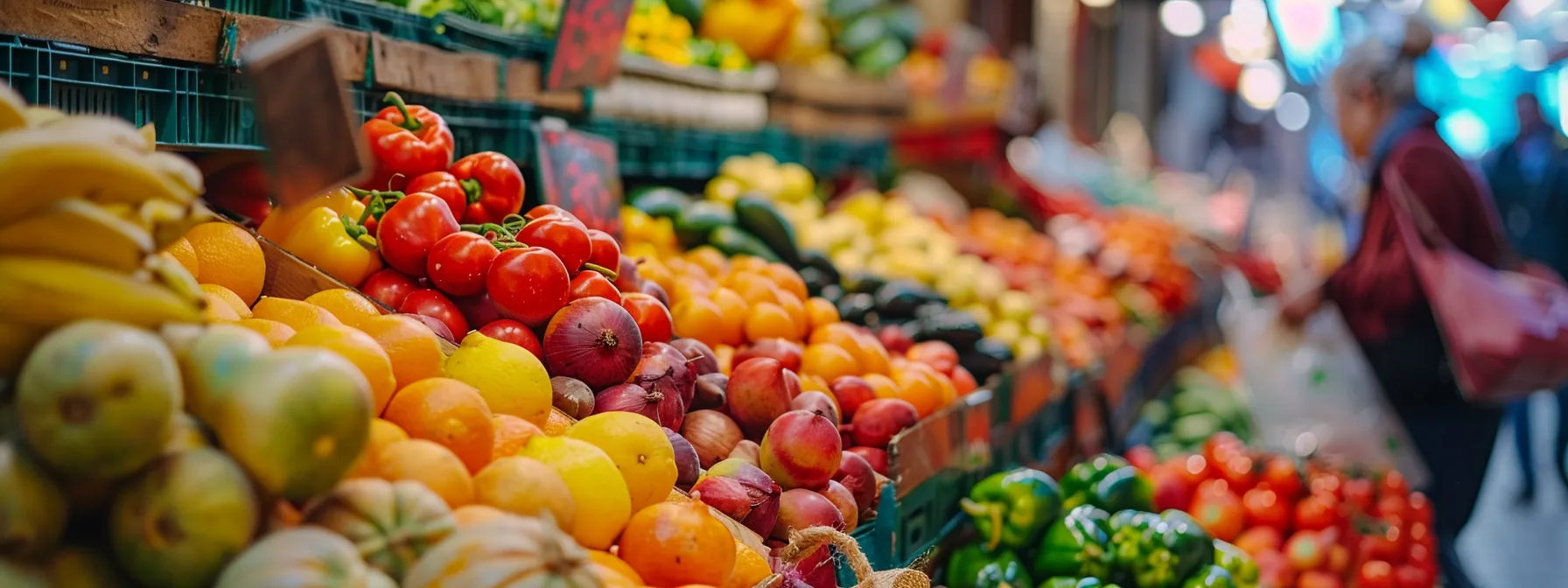
Knowing your ingredients is like understanding the colors on a painter’s palette. Each spice, herb, and food item brings its unique flavor profile, which can dramatically change the outcome of a dish. Start by sampling individual ingredients to understand their taste and potency. This practice helps you learn how to balance and enhance flavors, enabling you to create harmonious dishes with depth and complexity.
Develop a sense of how different ingredients interact with each other. Learn the classic pairings, like tomatoes and basil or lemon and seafood, but don’t be afraid to experiment with unexpected combinations. For example, adding a pinch of salt to chocolate can highlight its depth, and a hint of spice can elevate fruit-based dishes.
To further deepen your understanding of ingredients and flavor profiles, consider enrolling in a cooking class NYC. Professional guidance can fast-track your learning process by providing hands-on experience and personalized feedback. With an educated palate, you’ll gain the ability to craft meals that are not just nourishing but also tell a story with each bite.
Mastering Cooking Techniques: From Sautéing to Sous Vide
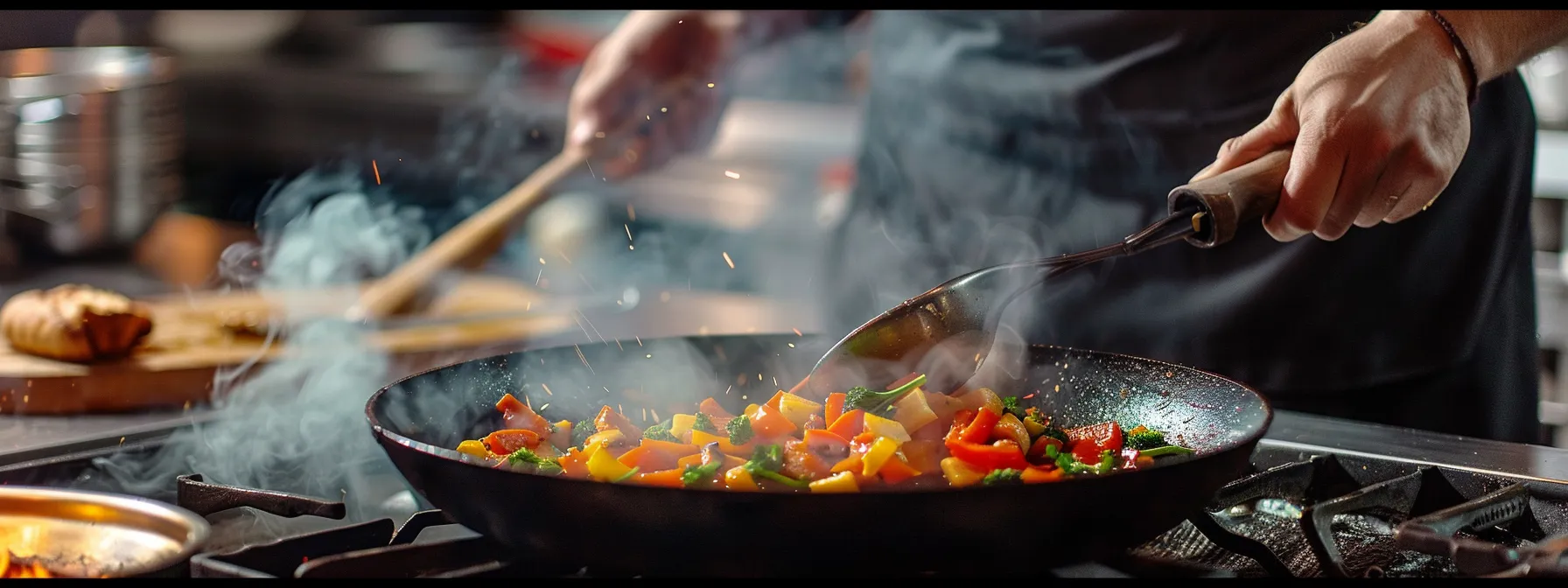
Versatility in cooking techniques boosts your ability to prepare a variety of dishes with finesse. Knowing when to sauté, braise, grill, or even sous vide comes from practice and understanding the texture and flavor outcomes that each method offers. Sautéing, for instance, can quickly cook ingredients while achieving a flavorful sear and can serve as the foundation for building layers of taste within a dish.
More advanced techniques, such as sous vide, require precision and patience but offer unparalleled consistency and flavor infusion. Learning such a method can feel daunting, but the rewards of perfectly cooked proteins with maximum moisture retention are well worth the effort.
Baking and pastry techniques are another area where skill can greatly affect the end product. Proper mixing methods, knowing the right baking temperatures, and timing are essential for achieving desirable textures in breads and pastries.
The Role of Kitchen Equipment in Enhancing Your Cooking Skills
Your kitchen equipment can seriously impact the ease and outcome of your cooking endeavors. High-quality knives, for instance, make prep work more efficient and precise. Investing in a good set of knives and learning how to maintain them can drastically improve your chopping, slicing, and dicing techniques, directly affecting the texture and cooking time of your ingredients.
While high-end appliances are not a requirement for great cooking, certain tools can simplify processes and elevate dishes. A reliable food processor, for example, can save time on tasks like puréeing or chopping. Prioritizing key pieces based on your most frequent cooking tasks can be a strategic way to upgrade your kitchen without cluttering it with unnecessary gadgets.
Heat control is essential in cooking, and having the right cookware can offer a distinct advantage. Cast iron skillets, for example, retain heat well and can produce a superior sear on meats. Having a range of pots and pans suited for different methods, like non-stick pans for delicate eggs or heavy-bottomed pots for slow-cooked stews, ensures you can achieve the best results for every dish you prepare.
Learning from Mistakes: How Experimentation Improves Cooking Skills
Mistakes are an essential part of the learning process in cooking. Each burnt toast or over-seasoned broth is an opportunity to refine your skills. Embracing experimentation encourages creativity and can lead you to discover new techniques or ingredient combinations. It’s through these trials that you not only learn what not to do but also stumble upon unique culinary innovations that could become a signature touch in your cooking.
Documenting your cooking endeavors can be beneficial. Keeping a cooking journal, where you record your trials, adjustments, and reflections, creates a valuable resource for your culinary development. Reflect on what went wrong and brainstorm how you might solve these issues next time. Learning from your personal culinary history prevents repeat errors and accelerates your progress.
Feedback is critical in the cooking world, so don’t shy away from sharing your dishes with others. Whether it’s family, friends, or online food communities, external perspectives can provide constructive criticism and encouragement. Often, what you might perceive as a flaw in a dish might be appreciated by others, or they might offer suggestions that never crossed your mind.
Altogether, improving your cooking skills is a continual journey of learning and experimentation. Expand your horizons, practice patiently, and your efforts will culminate in truly delectable experiences for you and your loved ones.