
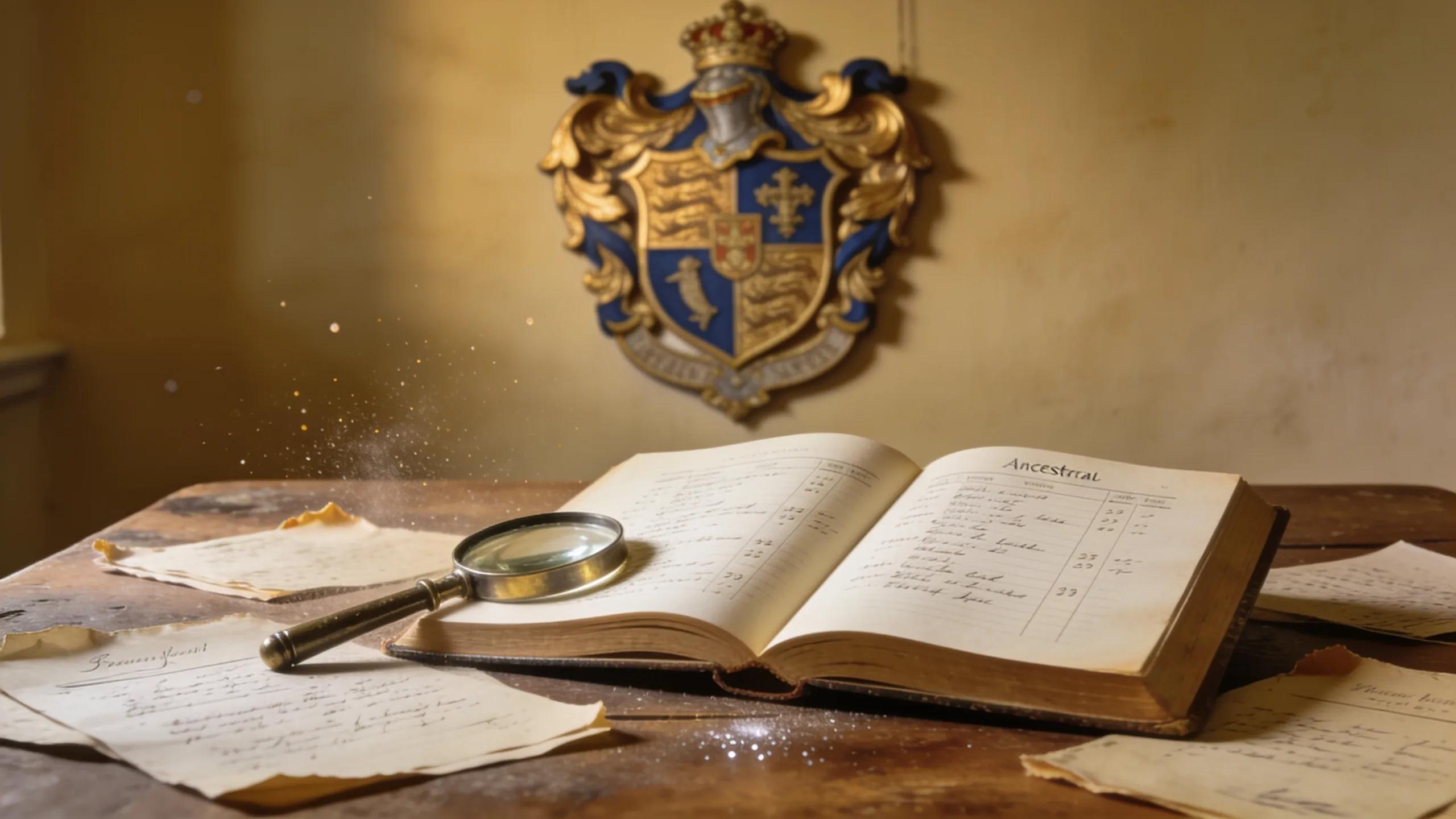
Researching your “family crest” can be an exciting journey into your ancestry and heritage. This process often leads people to uncover significant aspects of their family history and community identity. Understanding how to access authentic records and avoid fake representations will empower you in this exploration. This article guides you through essential steps including gathering family history and utilizing online resources to ensure you obtain genuine information. By following the outlined techniques, you can sidestep prevalent scams while enriching your understanding of your lineage. We will also explore the importance of civic heraldry and how engaging with relevant societies can enhance your research experience.
Understanding Civic Heraldry

Civic heraldry refers to the system of heraldry that is associated with municipalities and regions, representing their identity and tradition through coats of arms and crests. This form of heraldry plays a vital role in defining community identity, as it often incorporates symbols that reflect local history, values, and strengths. Engaging with civic heraldry not only satisfies curiosity about one’s lineage but also fosters a deeper appreciation for cultural heritage and personal development.
An essential resource in exploring “civic heraldry” is Information Hub, which focuses on educating visitors about authentic family crest research while encouraging personal growth through community identity. Taking the time to study civic heraldry can reveal fascinating insights about both your own lineage and the wider community history.
Gathering Family History
To start your journey in researching your family crest, gathering documents and stories from your family is fundamental. Here are key steps to guide you:
- Collect Official Documents: Start by obtaining vital records such as birth certificates, marriage licenses, and death certificates. These documents provide essential data for your family tree.
- Gather Stories from Relatives: Speak with older family members to capture their memories and any family legends. Their stories can provide context and personal connections to your family’s past.
- Identify Links to Heraldic Symbols: As you accumulate information, keep an eye out for heraldic symbols that might have been associated with your family. This is crucial for verifying your family crest’s authenticity.
These steps lay the groundwork for a more in-depth exploration into your ancestry and help establish a consistent narrative tied to your family crest.
Building a Family Tree
Creating a family tree is an excellent way to visually represent your lineage and understand connections between family members. This practice could help identify potential sources for your family crest research. Here are some tips:
- Use Online Tools: Take advantage of genealogical websites that offer templates and resources for building your family tree. Look for features that allow you to integrate story elements alongside the factual data.
- Collaborate with Family: Involve relatives in the family tree construction. Their input can lead to discovering branches you were previously unaware of, increasing accuracy and depth.
- Document Sources: It’s important to note sources for the information you add to your family tree. Good documentation supports verification down the line, particularly when examining historical records.
Building a family tree can be both fulfilling and enlightening, providing a visual context as you delve deeper into the research of your family crest.
Researching Historical Records
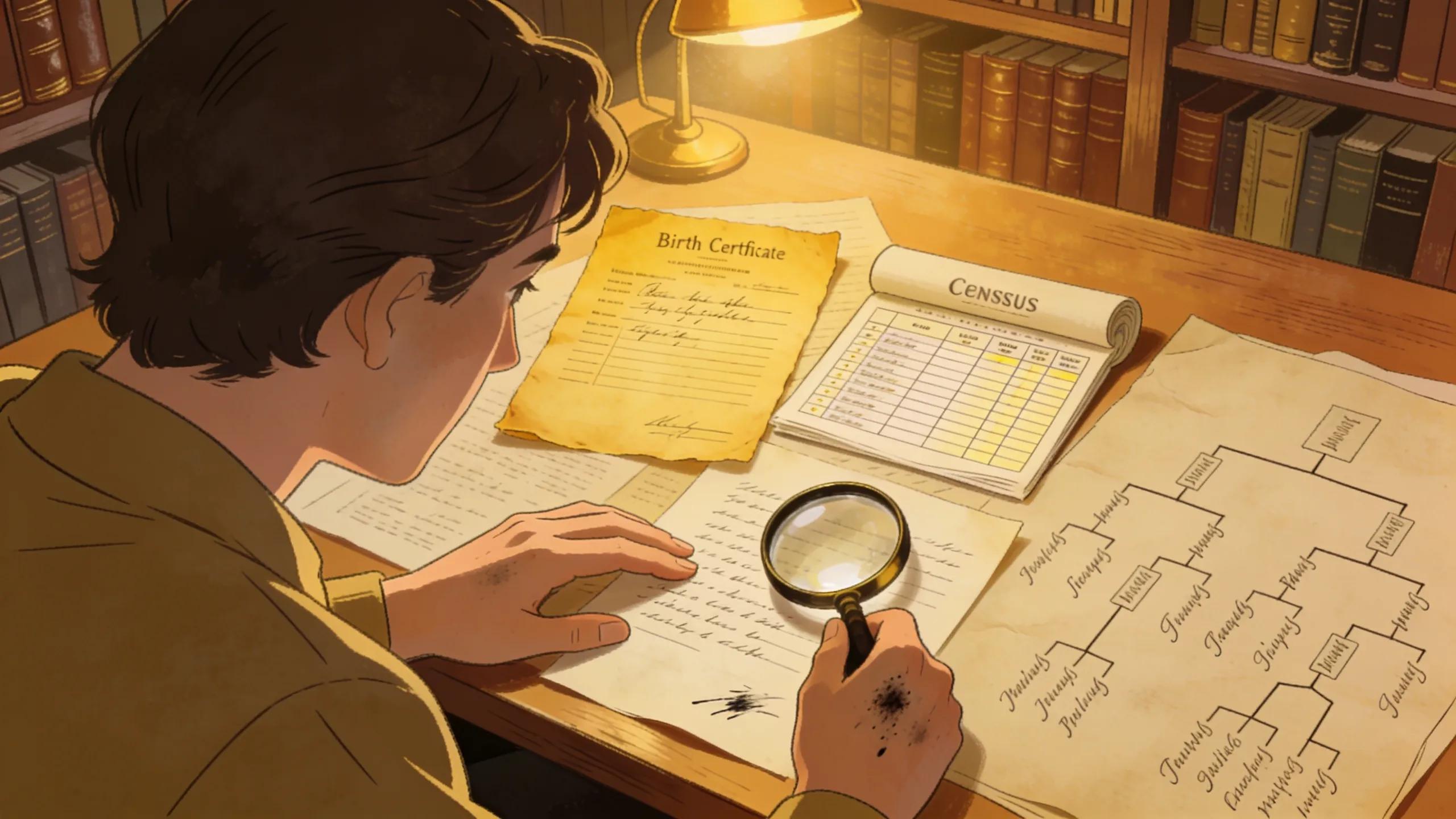
Accessing historical records is vital for verifying your lineage and should be approached systematically. The following provide effective ways to navigate these records:
- Explore National Archives: Most countries have a national archive that holds census records, birth and death records, and immigration documents. Familiarize yourself with their indexing systems to make your search efficient.
- Visit Local Libraries and Historical Societies: Many local libraries offer access to genealogical databases, microfilmed records, or even local histories that mention familial connections.
- Understand the Record Types: Educational resources can guide you in understanding different record types, including civil, religious, and military records, each providing unique insights into your heritage.
Consider these resources as the foundational steps to confirming your ancestral claims and ensuring the authenticity of any family crest.
Utilizing Online Resources
Online databases have become essential tools for conducting genealogical research. Here’s how to maximize your online research:
- Utilize Reputable Genealogy Websites: Look for platforms that are recognized for their extensive databases, such as those that compile census and military records.
- Cross-verify Information: Use multiple sources to verify the information you gather online. This practice minimizes the risk of accepting misleading data.
- Study User-contributed Content: Many online platforms feature trees built by users. While these can point you in the right direction, exercise caution in how you incorporate this information into your research, as errors can occur easily.
The importance of accuracy in online genealogical information cannot be overstated, especially when establishing claims regarding family crests or coats of arms.
Engaging with Heraldry Societies
Professional guidance from heraldry societies can be invaluable. These organizations offer numerous benefits, including:
- Access to Expertise: Members often have deeper knowledge about heraldic research and may provide advice on verifying the authenticity of family crests.
- Community Support: Being part of a group that shares a common interest encourages collaboration and exchange of information. It can help alleviate the isolation often felt in genealogical research.
- Educational Resources: Many societies provide resources, lectures, or workshops dedicated to heraldry, which might offer new insights into researching your family crest.
Whether for connection or further education, engaging with a heraldry society enriches your understanding and can enhance the overall research experience.
Understanding Family Mottos
Family mottos often encapsulate the values or history of a lineage, serving as a significant element alongside crests and coats of arms. Delving into the meanings behind these mottos can reveal much about family identity. Here are some insights:
- Historical Context: Many family mottos are derived from Latin or ancient sayings, reflecting historical values and aspirations.
- Common Themes: Courage, loyalty, and honor frequently appear in family mottos, encapsulating virtues promoted within the family.
- Relevance to Personal Identity: Understanding your family motto can enhance your sense of belonging to a larger historical narrative, providing insights into your roots.
These aspects help you appreciate your family crest holistically and deepen your connection to your heritage.
Avoiding Common Heraldry Scams
With the rise of interest in family history, scams related to heraldic representations are increasingly prevalent. To navigate safely, consider these tips:
- Verify Authenticity of Crest Claims: Before purchasing any crest or coat of arms, research to ensure that it is legitimately tied to your lineage.
- Beware of Unlicensed Sellers: Transactions should occur with recognized entities or verified dealers to avoid counterfeit representations.
- Consult Expert Opinions: If in doubt, professional consultation can clarify the validity of coat of arms claims or purchase intentions.
By following these guidelines, you can avoid the pitfalls that often ensnare individuals in fraudulent heraldic claims.